Why Is a Concrete Walkway a Good Choice for Woodstock Homes?
A walkway is more than a path from the driveway to the front door. It helps organize outdoor spaces, guides foot traffic, and can improve the overall appearance of a property’s exterior. For homeowners considering concrete walkway installation in Woodstock, working with an experienced contractor can help ensure the walkway is designed for both appearance and long-term performance.
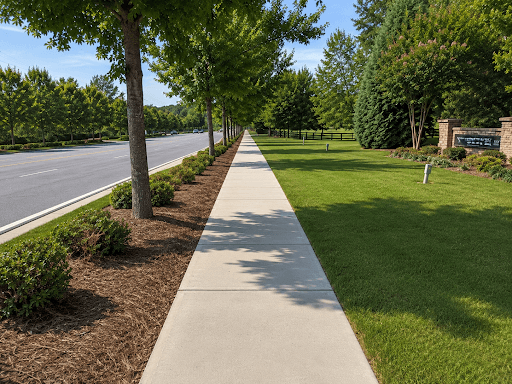
Concrete remains a popular material because it can provide a durable, low-maintenance surface while offering flexibility in shape, finish, and design. A simple broom-finished walkway can create a clean traditional appearance, while decorative options can add more visual character.
How Long Can a Concrete Walkway Last?
A properly designed and installed concrete walkway can last for decades under normal residential conditions. However, longevity depends on several factors, including soil conditions, drainage, concrete quality, reinforcement, installation practices, weather exposure, and maintenance.
The American Concrete Institute emphasizes that durable concrete construction depends on appropriate materials, placement, curing, and environmental considerations. That means the installation process matters just as much as the finished appearance.
Homeowners should therefore look beyond simply choosing a concrete color or finish. Proper preparation beneath the concrete is an important part of the project.
What Happens Before the Concrete Is Poured?
One of the most important stages happens before the concrete truck arrives.
A professional installation typically begins with planning and site preparation. Depending on the property, the contractor may need to:
- Determine the walkway’s ideal route
- Mark the desired dimensions
- Remove grass, soil, or existing materials
- Prepare and compact the base
- Establish appropriate slopes
- Install forms
- Plan reinforcement where needed
- Coordinate drainage considerations
The prepared base supports the concrete and helps create a stable surface. Poor preparation can contribute to settlement, cracking, or uneven areas later.
How Wide Should a Residential Walkway Be?
There is no single width that works for every property. The appropriate dimensions depend on how the walkway will be used and the available space.
A narrow path may work for secondary access, while a primary entrance walkway may benefit from additional width. If two people frequently walk side by side, a wider design can provide more comfortable passage.
Homeowners should also consider landscaping and future maintenance. Leaving adequate space around the walkway can make mowing, trimming, planting, and other yard work easier.
Can Concrete Walkways Improve Curb Appeal?
Yes. A walkway can become an important visual element of your home’s exterior.
The path’s shape can influence how visitors approach the entrance. A straight walkway can provide a formal appearance, while gentle curves can create a softer transition through landscaping.
Homeowners can also explore decorative finishes such as:
- Broom finishes
- Exposed aggregate
- Stamped patterns
- Borders
- Decorative scoring
- Integral or surface-applied color
The best option depends on the home’s architecture and surrounding landscape. A simple design can often look more timeless than an overly elaborate pattern.
Why Is Drainage Important for a Concrete Walkway?
Water management should be considered before installation.
A walkway that does not properly account for surface water can develop drainage problems, especially when it is installed near foundations, slopes, gardens, or other hard surfaces. Proper grading can help direct water away from areas where it could create problems.
The Environmental Protection Agency (EPA) notes that managing stormwater where it falls can help reduce runoff and its associated impacts. While a residential walkway is only one small part of a property’s drainage system, its placement and slope should be considered as part of the overall landscape.
A qualified contractor can evaluate the site and determine how the walkway should interact with existing drainage patterns.
What Maintenance Does Concrete Require?
One advantage of concrete is that routine maintenance is relatively simple.
Regular sweeping can remove dirt and leaves, while occasional washing can help maintain the surface’s appearance. Homeowners should also address cracks or other damage before they become larger problems.
Avoid using aggressive chemicals or methods that could damage the concrete surface. If the walkway has a decorative finish or sealer, follow the manufacturer’s or contractor’s maintenance recommendations.
Keeping nearby landscaping under control can also help. Tree roots and vegetation can eventually affect hardscape areas, so homeowners should monitor plants located near the walkway.
Should You Hire a Professional for Concrete Walkway Installation?
A walkway may look like a straightforward project, but details such as grading, base preparation, formwork, concrete placement, finishing, and curing can significantly affect the finished result.
Professional installation can help homeowners avoid common problems associated with inadequate preparation or improper drainage. It also allows the design to be coordinated with existing driveways, patios, landscaping, and the home’s entrance.
For a new walkway, the goal should be more than simply creating a strip of concrete. It should provide a durable, comfortable, and visually appropriate path that works with the property.
If you’re considering concrete walkway installation in Woodstock, we at Able Concrete of GA can help you plan a walkway designed around your home’s layout, access needs, and outdoor style. Call (404) 694-8473 to discuss your project and explore concrete solutions for homes in Woodstock and surrounding Georgia communities. A professionally planned walkway can improve everyday accessibility while adding a clean, finished look to your home’s exterior.