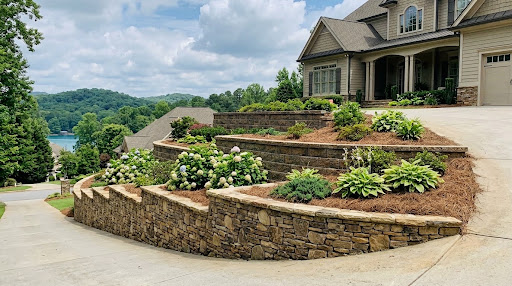
Sloped properties can create challenges that go beyond appearance. Retaining walls can help manage changes in elevation, reduce soil movement, and create more usable areas around a home. Able Concrete of GA provides concrete services for property owners looking for durable outdoor improvements. A well-planned retaining wall can combine practical drainage and erosion-control benefits with a finished look that complements the surrounding landscape.
Why Do Properties Need Retaining Walls?
One of the primary reasons for installing a retaining wall is to hold soil in place. Properties with significant slopes can experience erosion when rainwater moves downhill, carrying soil with it. Over time, this can affect landscaping, walkways, patios, and other structures.
A retaining wall creates a barrier that helps stabilize soil at different elevations. Instead of allowing a sloped section of the yard to gradually wash away, the wall can help create defined levels.
For Acworth homeowners, this can be especially useful when managing yards with elevation changes or areas where stormwater runoff affects landscaping.
Can a Retaining Wall Help With Drainage?
A retaining wall itself is not a replacement for a complete drainage system, but proper wall design can work together with drainage solutions to manage water.
Drainage is one of the most important considerations during retaining wall construction. Water that becomes trapped behind a wall can create hydrostatic pressure, potentially compromising the structure if it is not properly addressed.
Depending on the property, a retaining wall project may incorporate features such as drainage stone, perforated drainage pipe, or other methods for directing water away from the structure. Proper grading is also important because the surrounding landscape should direct runoff where it can safely discharge.
How Do Retaining Walls Create More Usable Yard Space?
A steep backyard can limit how homeowners use their property. Installing a retaining wall can divide a slope into multiple levels, creating flatter areas for landscaping, seating, gardens, pathways, or other outdoor features.
For example, instead of having one continuously sloped section, a property could have a series of terraces supported by retaining walls. This approach can make difficult terrain easier to navigate while giving homeowners more flexibility when planning their outdoor space.
The exact design should depend on the property’s slope, soil conditions, drainage requirements, wall height, and intended use.
What Materials Can Be Used?
Retaining walls can be constructed using several materials, including concrete, natural stone, concrete blocks, and other engineered systems. The best choice depends on factors such as the wall’s purpose, height, appearance, site conditions, and budget.
Concrete is often considered when homeowners want a strong and adaptable construction material. Its appearance can also be incorporated into different landscape designs, from simple functional walls to more visually defined outdoor features.
Before selecting a material, homeowners should consider both the short-term appearance and long-term performance of the wall.
Does Wall Height Matter?
Absolutely. The taller the retaining wall, the more important engineering, drainage, soil conditions, and local requirements become. A retaining wall is not simply a decorative feature—it must resist the pressure created by the soil behind it.
Homeowners should also check applicable local building requirements before beginning construction. Depending on the height and location of the wall, permits or engineering considerations may apply.
Professional planning can help identify these requirements before excavation or construction begins.
How Can Homeowners Maintain a Retaining Wall?
Routine inspections can help property owners identify potential problems early. Look for cracks, leaning, bulging, soil movement, drainage issues, or areas where water appears to collect.
Vegetation should also be managed carefully. Large roots growing directly against or beneath a retaining wall can potentially create pressure or interfere with drainage. Keeping nearby drainage paths clear can also help prevent water from accumulating behind the wall.
If you notice movement or significant cracking, have the structure evaluated rather than attempting a major repair without understanding the underlying cause.
Where Can You Get Retaining Walls in Acworth?
A retaining wall should be designed around the property rather than treated as a one-size-fits-all improvement. Proper planning can help address erosion, elevation changes, drainage, and outdoor space while providing a durable addition to the landscape. If you’re considering retaining walls in Acworth, contact Able Concrete of GA at (404) 694-8473 to discuss your concrete construction needs and explore options for improving your property. Our team can help you plan a practical, concrete solution designed around your property’s specific requirements.