A backyard patio can become one of the most useful areas of a home. It can provide space for outdoor dining, entertaining guests, relaxing with family, or simply enjoying Georgia’s warmer seasons. But before pouring concrete, homeowners should consider more than the appearance of the finished surface. For those planning concrete patio installation, Able Concrete of GA can help homeowners create outdoor concrete spaces designed around their property’s needs and intended use.
How Will You Use the Patio?
The first question is simple: What do you want to do on the patio?
A small seating area may require significantly less space than an outdoor dining area with a table, chairs, grill, and additional furniture. If you frequently entertain, you may also want enough room for guests to move comfortably without making the space feel crowded.
Planning around furniture dimensions before installation can help determine the appropriate patio size.
It is also worth considering whether you may add features later, such as a fire pit, outdoor kitchen, pergola, or larger seating arrangement. Planning ahead can prevent an otherwise useful patio from becoming restrictive.
Why Is Proper Drainage Important?
Water management is one of the most important parts of concrete installation.
A patio needs appropriate grading so rainwater can move away from the home rather than pooling against the foundation or collecting on the concrete surface. Poor drainage can contribute to standing water, slippery areas, soil erosion, and premature deterioration.
Kennesaw homeowners also have to account for Georgia’s sometimes heavy rainfall. The National Weather Service notes that thunderstorms and heavy rain can produce significant rainfall across Georgia, making proper site drainage an important consideration for outdoor projects.
A professional contractor can evaluate the existing grade and determine how the patio should be positioned to encourage appropriate water runoff.
What Concrete Finish Fits Your Home?
Concrete does not have to look plain.
Homeowners can choose from different finishes and design approaches depending on the desired appearance. A traditional smooth or broom finish can provide a clean, practical surface, while decorative techniques can create more visual interest.
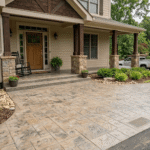
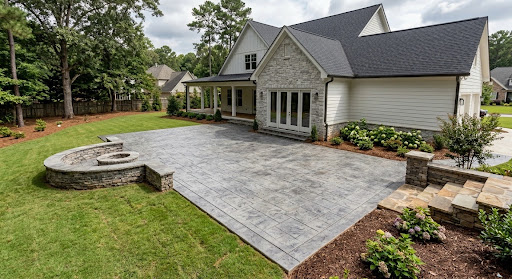
Stamped concrete, for example, can mimic the appearance of materials such as stone or brick while retaining the characteristics of a concrete surface. Decorative borders or contrasting patterns can also help define the patio as an extension of the home’s overall design.
The best option depends on your home’s architecture, landscaping, budget, and maintenance expectations.
How Thick Should a Concrete Patio Be?
Thickness is another consideration that should be determined based on the project’s intended use and site conditions.
A residential patio designed primarily for foot traffic has different requirements from a concrete surface expected to support heavier loads. Soil conditions, reinforcement, drainage, climate, and local construction practices can also influence the installation.
Rather than choosing thickness based solely on a generic recommendation, homeowners should have the site evaluated by a qualified concrete professional.
Proper preparation underneath the slab is equally important. A stable, well-prepared base can help provide the support needed for long-term performance.
Can a Patio Add More Usable Outdoor Space?
One of the biggest advantages of a new patio is that it can make underused yard space more functional.
Instead of keeping outdoor furniture on grass or dealing with muddy areas after rain, homeowners can create a defined hardscape area for everyday activities. A properly designed patio can also connect indoor and outdoor spaces, particularly when positioned near a kitchen, dining room, or family room.
Think about traffic flow between the house, patio, yard, and other outdoor features. The goal is not simply to add concrete but to create an outdoor area that feels intentional.
Why Does Professional Installation Matter?
A patio may look straightforward, but successful installation involves several steps, including site preparation, grading, forming, reinforcement where appropriate, concrete placement, finishing, and curing.
Mistakes during preparation or installation can affect the finished surface and its long-term performance. Professional installation also allows homeowners to address site-specific concerns before concrete is placed.
Taking time to plan the project properly can help reduce avoidable problems and create a patio that fits both the property and the homeowner’s lifestyle.
Create a Patio Designed for Your Kennesaw Home
A successful patio project starts with good questions. How will you use the space? Where should water flow? What finish complements your home? How much room will your furniture require? Thinking through these details before installation can make the finished outdoor area more functional and enjoyable.
If you’re considering concrete patio installation in Kennesaw or nearby Georgia communities, Able Concrete of GA can help bring your outdoor project together with professional concrete services. Call (404) 694-8473 to discuss your patio project and explore options for creating a durable, attractive outdoor space designed for your property.